Mexico runs on buses. Not trains, not domestic flights, not ride-shares — buses. The network is enormous, the coaches are better than anything Greyhound has ever put on a US highway, and the fares are low enough that a six-hour first-class ride costs about the same as a mediocre dinner in the tourist zone.
In This Article
- How the System Works
- Bus Classes
- The Major Bus Companies
- ADO (South and East)
- Estrella Blanca (North and Pacific)
- Primera Plus and ETN (Western Corridor)
- Tufesa (Cross-Border)
- Mexico City Bus Terminals
- Buying Tickets
- Overnight Buses
- Safety
- Practical Tips
- What About Flying?
- Useful Spanish for the Bus Station
I spent the better part of three years riding Mexican buses. Tucson to Guadalajara on Tufesa. Oaxaca to Villahermosa overnight on ADO. Chihuahua to Creel on a rattling Chihuahuenses coach through the Sierra Madre. Mexico City’s Terminal Norte at 5am with a backpack, trying to figure out which of four bus stations I actually needed. After all that, the system stopped being confusing and started being one of the best things about traveling in the country.
How the System Works
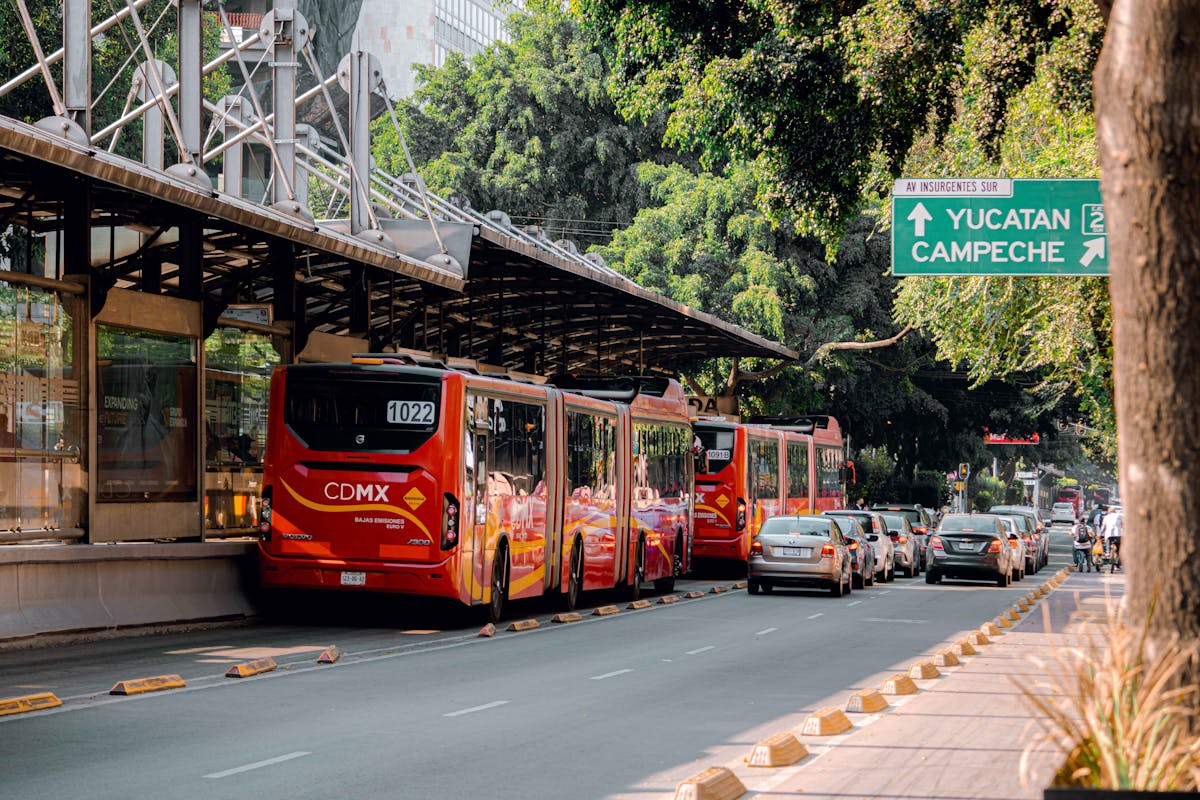
There is no national bus company. Mexico has over 200 bus operators, but they cluster into regional groups. ADO and its subsidiaries dominate the south and east — Oaxaca, Chiapas, the Yucatan, Veracruz. Estrella Blanca and its family of brands cover the north and Pacific coast. Primera Plus and ETN handle the western Bajio corridor between Mexico City and Guadalajara. Tufesa runs the cross-border routes from the US Southwest.
Once you understand which company owns which corridor, the whole system makes sense. You are not choosing between 200 random operators. You are picking the one or two that run your specific route.
Bus Classes
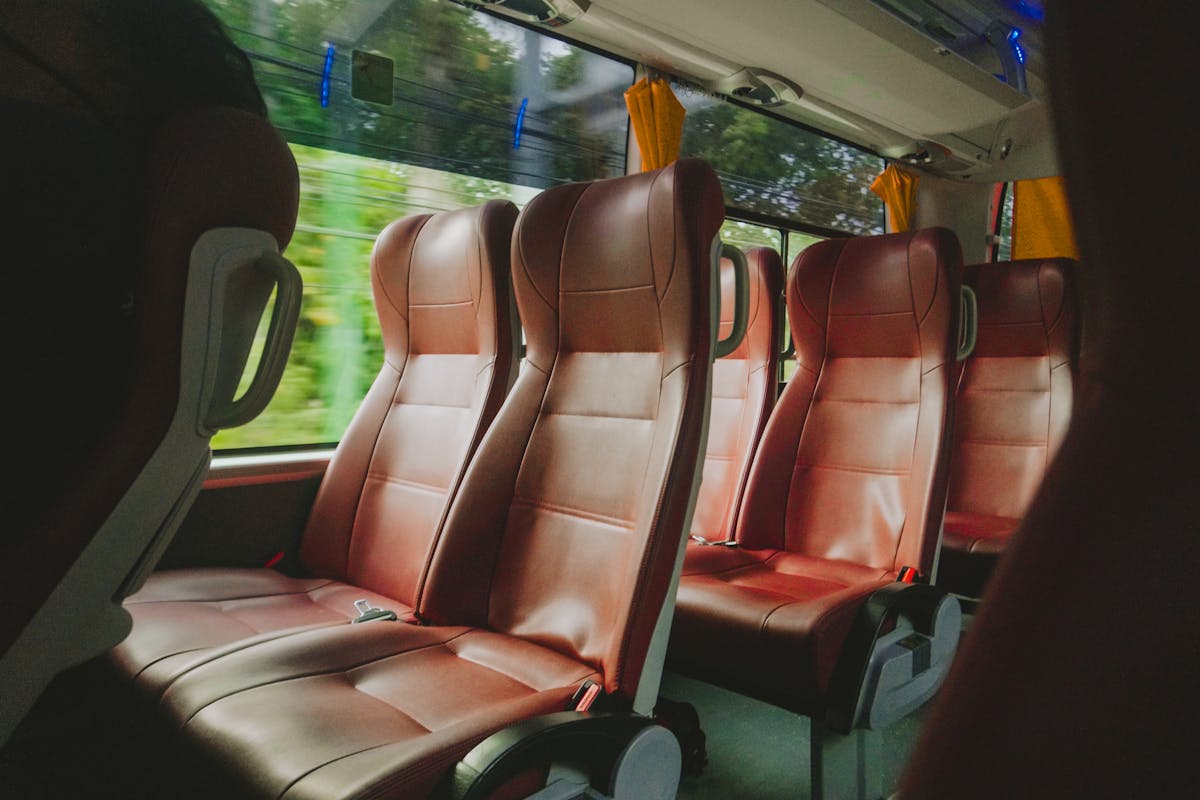
Mexican buses come in three tiers, and the difference between them is massive.
Luxury (Lujo/Ejecutivo). ETN and ADO Platino are the top tier. Three seats per row instead of four — two on one side of the aisle, one on the other. Deep recline, leg rests, individual screens, power outlets, attendant service for luggage. Honestly better than domestic business class on most airlines. An ETN seat from Mexico City to Morelia costs around 800-1,000 pesos. The blue ADO Platino coaches run the premium southern routes — Mexico City to Oaxaca, Veracruz, Merida.
First class (Primera). The standard for long-distance travel. Four seats per row with decent legroom, air conditioning, reclining seats, one or two bathrooms, overhead screens playing movies you did not ask to watch. ADO (the red buses), Futura, Primera Plus and most branded services fall here. Mexico City to Oaxaca runs about 700-900 pesos first class. Guadalajara to Mazatlan is around 500-700 pesos.
Second class (Segunda/Economico). Older coaches, more stops, lower prices. No guaranteed bathroom. The buses that stop at every town along the highway, picking up passengers standing at the roadside. Fine for rides under two hours. For anything longer, the extra 150-200 pesos for first class is worth it — the time savings alone justify the upgrade since second-class buses can add 30-50% to the journey time.
The Major Bus Companies
ADO (South and East)
ADO is the company you will use most if you travel south of Mexico City. They own OCC (Chiapas and Pacific coast routes), AU (Puebla and central routes), and Sur (Guerrero). All share the same booking system and terminals. The ADO website at ado.com.mx actually works with international credit cards, which puts them ahead of most Mexican bus companies for online booking.
Regular ADO is solid first class. ADO GL adds more legroom. ADO Platino is their luxury tier with lie-flat seats on overnight routes.
Estrella Blanca (North and Pacific)
The northern equivalent of ADO. Estrella Blanca is really a group — Futura, Turistar, Chihuahuenses, Elite, Transportes del Norte all fall under the same umbrella. They share Terminal Norte in Mexico City. Turistar Ejecutivo is their luxury option and rivals ETN for comfort on overnight runs to Monterrey or Chihuahua.
Primera Plus and ETN (Western Corridor)
These two compete on the Mexico City to Guadalajara route and the Bajio region — Leon, Guanajuato, San Miguel de Allende, Queretaro, Morelia. Primera Plus is owned by Flecha Amarilla (which also runs a cheap second-class service under that name). ETN is pure luxury — if you see an ETN double-decker bus, the front row of the upper deck has panoramic windows and is worth booking specifically.
Tufesa (Cross-Border)
The only major line running scheduled service from US cities — Tucson, Phoenix, Las Vegas, Los Angeles — across the border at Nogales and south through Sonora to Guadalajara. A ticket from Tucson to Guadalajara runs about $80-100 USD. The border crossing adds roughly an hour for immigration and customs.
Mexico City Bus Terminals
Mexico City has four major bus terminals pointing in four compass directions. Getting to the wrong one means an expensive crosstown taxi in traffic. Learn which one you need before leaving your hotel.
Terminal Norte — the biggest and busiest. Everything heading north: Guadalajara, San Luis Potosi, Monterrey, Chihuahua, all border cities. Estrella Blanca, ETN, Primera Plus, Omnibus de Mexico. Metro station: Autobuses del Norte (Line 5). The terminal is enormous and confusing the first time — find your bus company’s counter first, then ask which gate.
TAPO (Terminal de Oriente) — everything heading east and south: Oaxaca, Puebla, Veracruz, Villahermosa, Palenque, Merida, Cancun. ADO dominates here. Metro station: San Lazaro (Lines 1 and B). More modern and manageable than Terminal Norte.
Terminal Sur (Taxquena) — the smallest. Cuernavaca (1.5 hours), Taxco (3 hours), some Acapulco routes. Pullman de Morelos. Metro: Taxquena (Line 2).
Terminal Poniente (Observatorio) — Toluca (1 hour) and some western routes. A few Primera Plus departures to Guadalajara and Morelia. Metro: Observatorio (Line 1).
All four terminals connect to the Mexico City Metro. Getting between them takes 30-40 minutes by Metro with one or two transfers. A taxi between terminals costs 150-300 pesos depending on traffic.
Buying Tickets
For most routes on most days, you can buy tickets at the terminal counter an hour before departure and get a seat. The exceptions: holiday weekends (Semana Santa, Christmas, Puentes), the Day of the Dead period, and Friday evening departures from Mexico City when half the capital leaves town.
ADO has the best online booking at ado.com.mx — it accepts international cards and sends an e-ticket to your phone. ETN’s website works too. Most other companies are cash-at-the-counter only, though third-party sites like Busbud sell tickets for many operators with English-language booking.
Counter prices and online prices sometimes differ. I have seen online fares 50-100 pesos cheaper on ADO, but I have also seen the reverse. If you are flexible on departure time, ask the counter agent which departure is cheapest — they can see the pricing across all time slots.
Overnight Buses
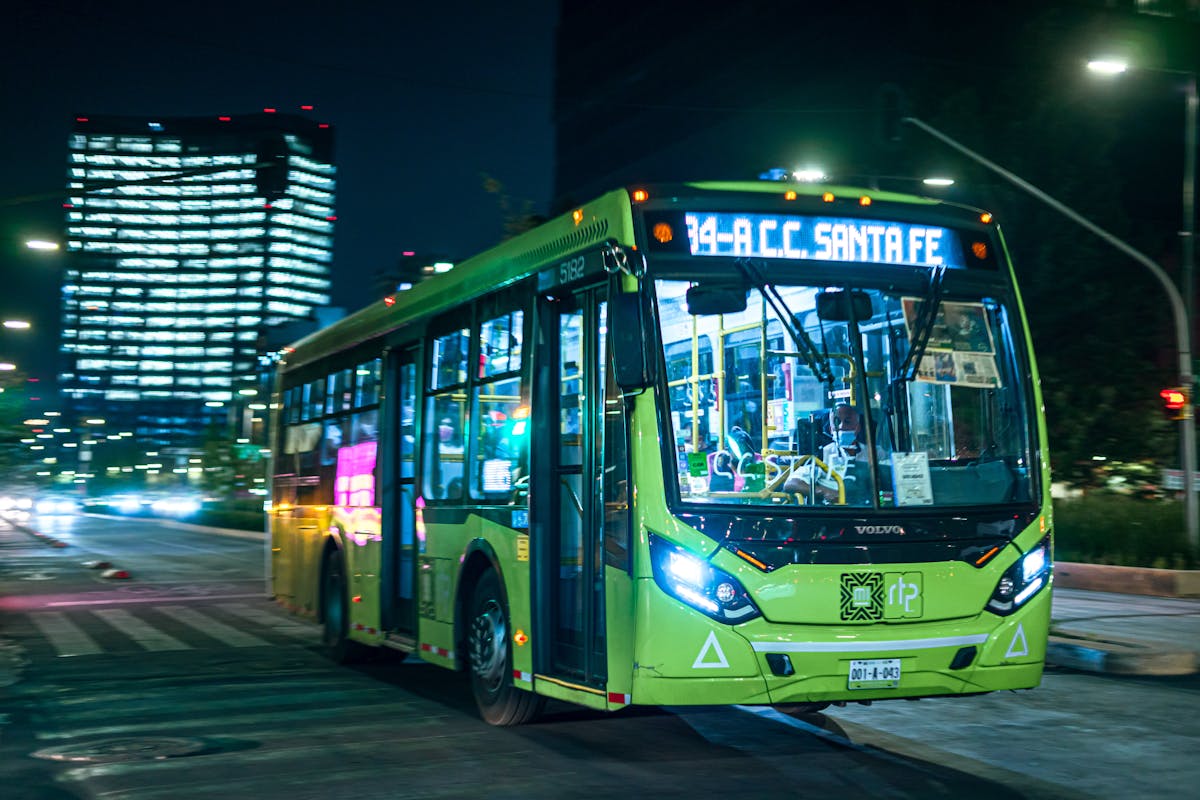
Night buses save you a hotel night and are worth considering on routes over 6 hours. The Mexico City to Oaxaca run (6 hours), Mexico City to Monterrey (12 hours), and Merida to Mexico City (18 hours) are all common overnighters.
First-class overnight buses dim the lights around 10pm. The seats recline enough to sleep if you are not too tall. Luxury buses with proper leg rests are significantly better for sleeping. Bring a neck pillow, earplugs, and a light layer — the air conditioning is always set to arctic.
I have taken probably 30+ overnight buses in Mexico without any safety issues. The main annoyance is the movie audio that sometimes runs until midnight, and the fluorescent lights that come on 30 minutes before arrival regardless of the hour.
Safety
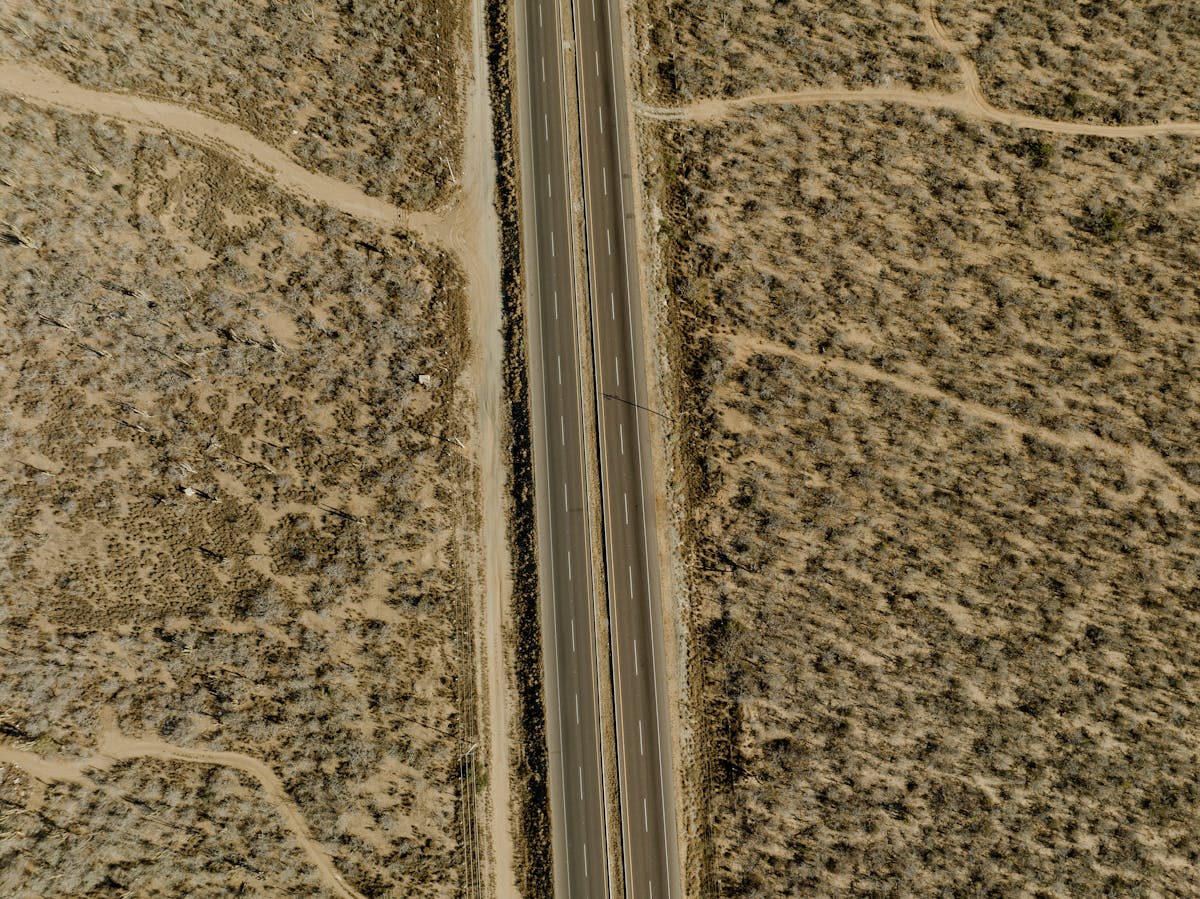
First-class and luxury buses on major highways between major cities are safe. This is not a controversial opinion — millions of Mexicans ride these buses daily. The coaches run on toll roads (autopistas) which are well-maintained and have regular police presence.
A few practical precautions that apply to bus travel anywhere: keep your valuables in your daypack on your lap, not in the bag stored underneath. Use the luggage tag they give you for checked bags. Do not flash expensive electronics at rest stops. At terminals, keep your bags with you rather than leaving them unattended.
Second-class buses on back roads in certain states (Guerrero, Tamaulipas, parts of Michoacan) carry more risk. Stick to first-class on main routes and you will be fine.
One thing to know: military and police checkpoints on highways are normal. Soldiers may board the bus, check IDs and look through the overhead bins. Keep your passport or FMM tourist permit accessible. This is routine and not a cause for alarm.
Practical Tips
Carry your passport. Police checkpoints on intercity routes require identification. Your FMM tourist form too, if you are a foreigner. Forgetting these creates a real headache.
Arrive 30 minutes early. Assigned seating means you will not lose your seat, but luggage loading starts before departure and the bus will leave on time whether you are on it or not.
Bring food. Terminal food is overpriced and bad. Stock up at an OXXO convenience store before boarding — sandwiches, fruit, water. Some luxury services include a snack box, but do not count on it.
Download entertainment. WiFi on buses is unreliable at best. Download your podcasts, shows, or music before boarding. Bring a portable charger — not all seats have power outlets, especially on older first-class coaches.
Learn basic Spanish. Terminal staff rarely speak English, even at major stations in Mexico City. Knowing how to ask for a ticket, a time, a platform number and a bathroom will save you stress. “Un boleto para Oaxaca, por favor” and “A que hora sale?” cover most situations.
Use the bathroom before boarding. First-class buses have bathrooms but they are small and get progressively less pleasant over a long ride. Terminal bathrooms cost 5-10 pesos (keep coins handy) but are a better option.
What About Flying?
Budget airlines Volaris and VivaAerobus have made domestic flights genuinely cheap on some routes — sometimes cheaper than first-class buses. The catch is luggage fees, airport transit time, and the fact that bus terminals are in city centers while airports are not. A 700-peso bus ticket with free luggage often beats a 500-peso flight with 400 pesos in luggage fees and a 300-peso airport taxi.
For routes under 5 hours, buses win on convenience. For 10+ hours (Mexico City to Cancun, Mexico City to Chihuahua), flying makes sense if you can get a good fare. The sweet spot for buses is the 4-8 hour range where they are faster door-to-door than flying.
Useful Spanish for the Bus Station
Un boleto para [destination], por favor — One ticket to [destination], please.
A que hora sale el proximo autobus? — What time does the next bus leave?
De que anden sale? — Which gate does it leave from?
Cuanto cuesta? — How much does it cost?
Hay baño en el autobus? — Is there a bathroom on the bus?
Donde esta la sala de espera? — Where is the waiting room?
Es directo o hace paradas? — Is it direct or does it make stops?